Prekmurje: Slovenia’s Most Unique Cultural Gem
There isn’t a single corner of Slovenia that isn’t special in its own right. Yet at the same time, there is no place quite as distinct as Prekmurje. If you want to visit a region whose landscape and culture stand entirely apart from anything else you’ll encounter in our small country, then the lands east of the Mura River are an absolute must-stop. Need proof before you pay us a visit?
Excellent! Let us win you over right away with Pomurje’s greatest cultural wonders.
Where Slovenia "Flattens Out"
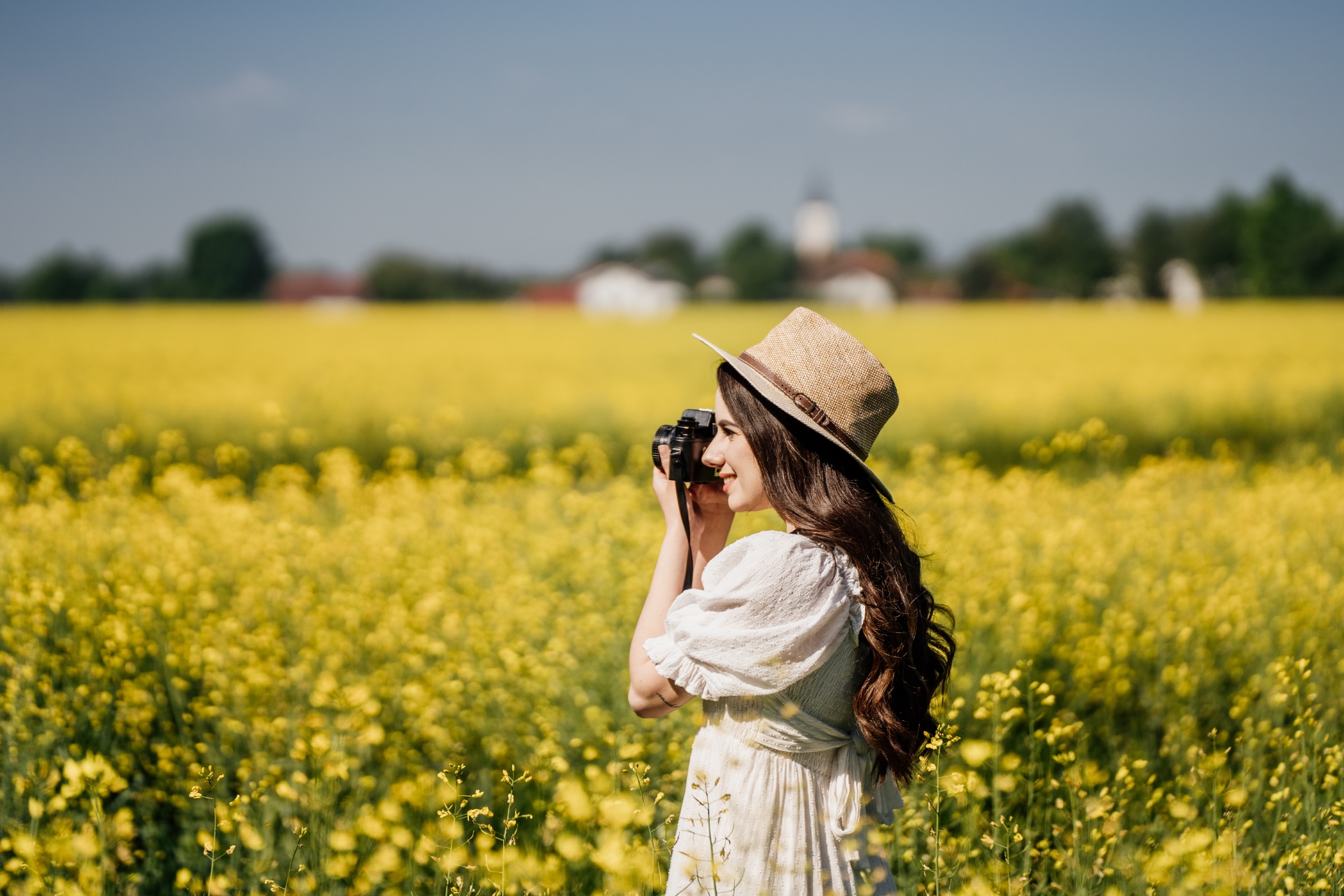
Slovenia is packed with elevated terrain, from mighty two-thousand-meter Alpine peaks to sun-drenched vineyard hills. But in Prekmurje, it touches the vast Pannonian Plain. Here, rolling green hills meet dreamy flatlands, where fertile fields give way to pristine forests and wide-open meadows. And this geographic uniqueness of our easternmost region holds a profound meaning for the locals; one vividly captured in countless literary works.
Endless plains and a sense of openness and freedom form a cornerstone of Prekmurje’s cultural identity, where cheerfulness and incredible hospitality intertwine with a quiet steppe melancholy.
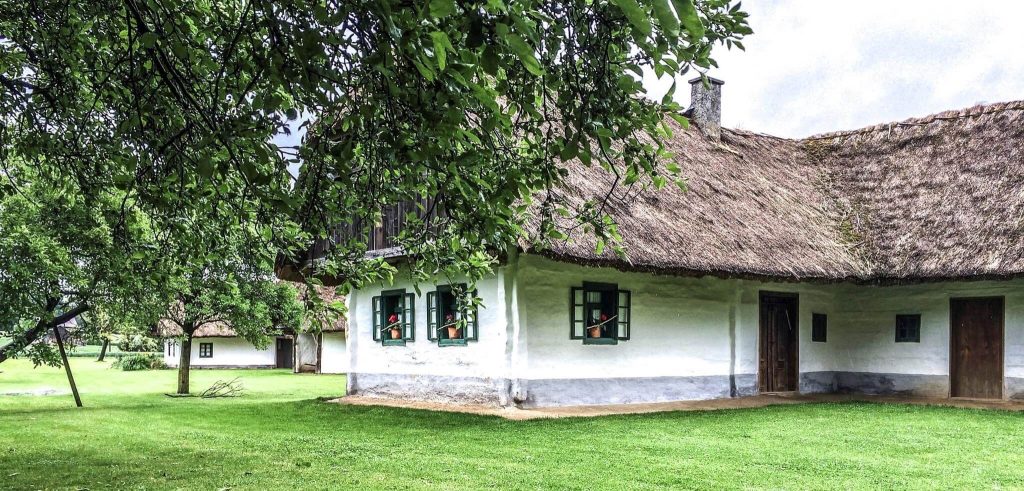
The flat terrain has also left its mark on the region's distinctive architecture, from long linear villages along main roads to classic Pannonian homes, or cimprače. If you’d like an up-close look at traditional building techniques, stop by Filovci, where two beautifully restored cimprače await you in the Pottery Village.
A Dialect Even Slovenes Can Barely Understand
If you ask an average Slovene which regional dialect is the hardest to grasp, most will answer in a heartbeat: Prekmurje dialect! It was once even recognized as an independent literary language, and today it sets itself apart from other Slovenian dialects through entirely unique vocabulary and pronunciation.
When you visit Prekmurje, you get to listen to a dialect that only a select few truly understand and master. And yet, it serves as the medium for numerous literary works and even popular hit songs. If you don't catch them on the radio while driving through local villages, you can listen to them inside the Expano Pavilion. This is the very place where you can simultaneously enjoy a 3D flight over Pomurje, discover the region's rich history, and explore many more unique cultural highlights.
A Model of Religious and Cultural Harmony
Because Prekmurje belonged to the Hungarian Crown (read more about its history in this article) until the end of World War I (unlike other Slovenian regions), it developed administratively, economically, culturally, and religiously separate from the rest of the nation. As a result, Protestantism endured in these lands, and the region on the left bank of the Mura River remains the center of the Evangelical faith in Slovenia to this day.
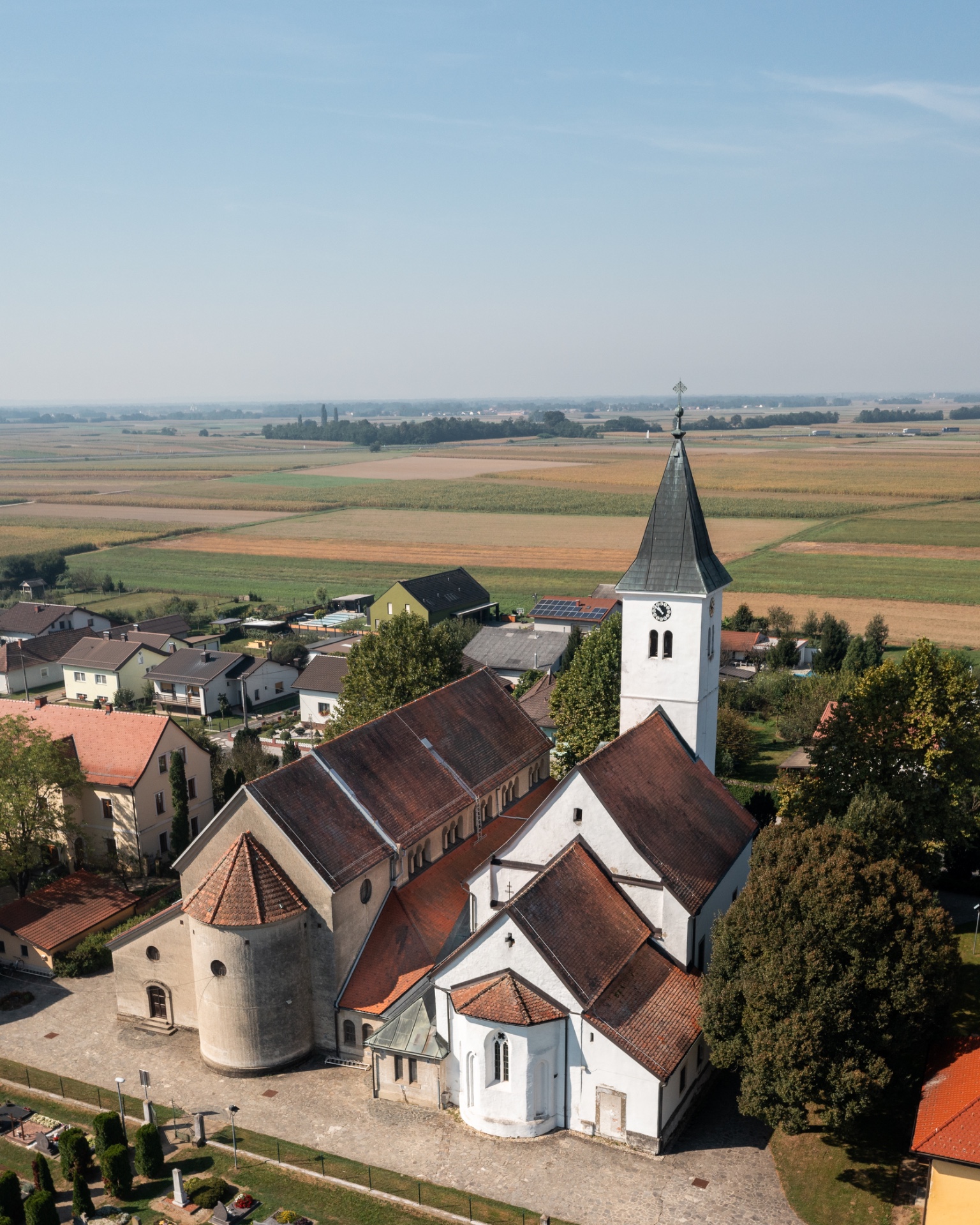
Members of both the majority Catholic and Evangelical communities nurture a deep tradition of mutual respect, weaving what could be differences into rich cultural tapestry instead. Until World War II, this diversity was also shaped by a vibrant Jewish community, particularly in Murska Sobota and Lendava, where a historic jewish synagogue still stands as a reminder today.
Another vital piece in the mosaic of Pomurje’s cultural diversity is the Roma community, who have been an integral part of local society for centuries. Living in a unique harmony with the rest of the population, their peaceful coexistence serves as a model for many regions. Their spiritual tradition and artistic expression are an indispensable part of the local heritage.
A Deep Connection to Hungary
While the rest of Slovenia is shaped primarily by Austrian and Italian influences alongside close ties to Croatia, Prekmurje is unique in its deep connection to Hungary. Centuries under the Hungarian Crown left a lasting linguistic and cultural imprint, one that even extends across the Mura River into Prlekija. Local Pomurje dialects are rich in words of Hungarian origin, and in many Prekmurje municipalities, Hungarian is recognized as an official language.
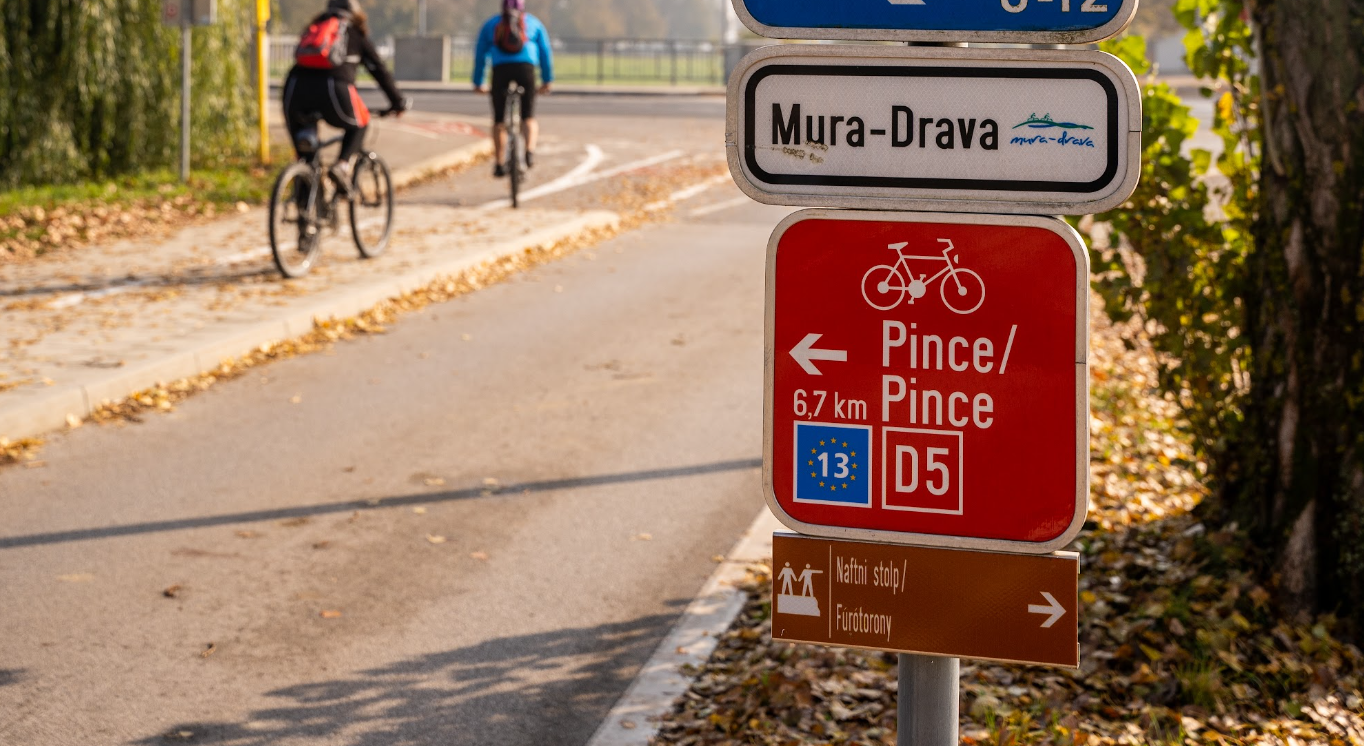
Prekmurje is home to an indigenous Hungarian community, meaning Hungarian is used alongside Slovenian in everyday life as well as in administration and education. Even official signage and road markers are fully bilingual.
The blend of Hungarian and Prekmurje culture shines through brilliantly in the local cuisine. While you'll find Germanic-inspired goulash, dumplings, or štruklji elsewhere in Slovenia, the menu along the Mura River is defined by bograč, langaš, and dödoli (a traditional potato-based dish). Many of these specialties are prepared best right here in Pomurje. If you're planning a visit, definitely arrive hungry and forget everything you thought you knew about Slovenian food.
Frequently Asked Questions
1. How does Prekmurje differ from other Slovenian regions?
Prekmurje boasts a distinct culture and architecture shaped by the Pannonian world, truly one-of-a-kind dialects, as well as rich religious diversity and a strong Hungarian linguistic and cultural influence. This gives it a unique place in the broader mosaic of Slovenian culture.
2. Why is Pomurje so special culturally, linguistically, and religiously?
Prekmurje spent centuries under the Hungarian Crown, leaving it administratively, culturally, and economically separated from other Slovenian regions. This independent development left a powerful mark on its culture, local dialect, and cuisine, which differ in many ways from the rest of Slovenia.
3. What is the status of the Hungarian language in Prekmurje?
Hungarian holds official language status in Prekmurje and is actively used in daily life. Across many municipalities in Prekmurje, you will encounter bilingual road signs, and you will hear Hungarian spoken in government offices, healthcare centers, local shops, and of course in preschools and schools.


