Unique Cultural Gems in Pomurje Almost Nobody Knows About
Why visit Pomurje out of all the regions in Slovenia or even Europe? Can we truly find so much that is special on this small patch of land nestled between fertile plains and wine-growing hills? In short: Absolutely! Read on to discover the truly unique cultural sights of Pomurje.
WARNING: Reading may cause an uncontrollable desire to visit Pomurje. Proceed at your own risk!
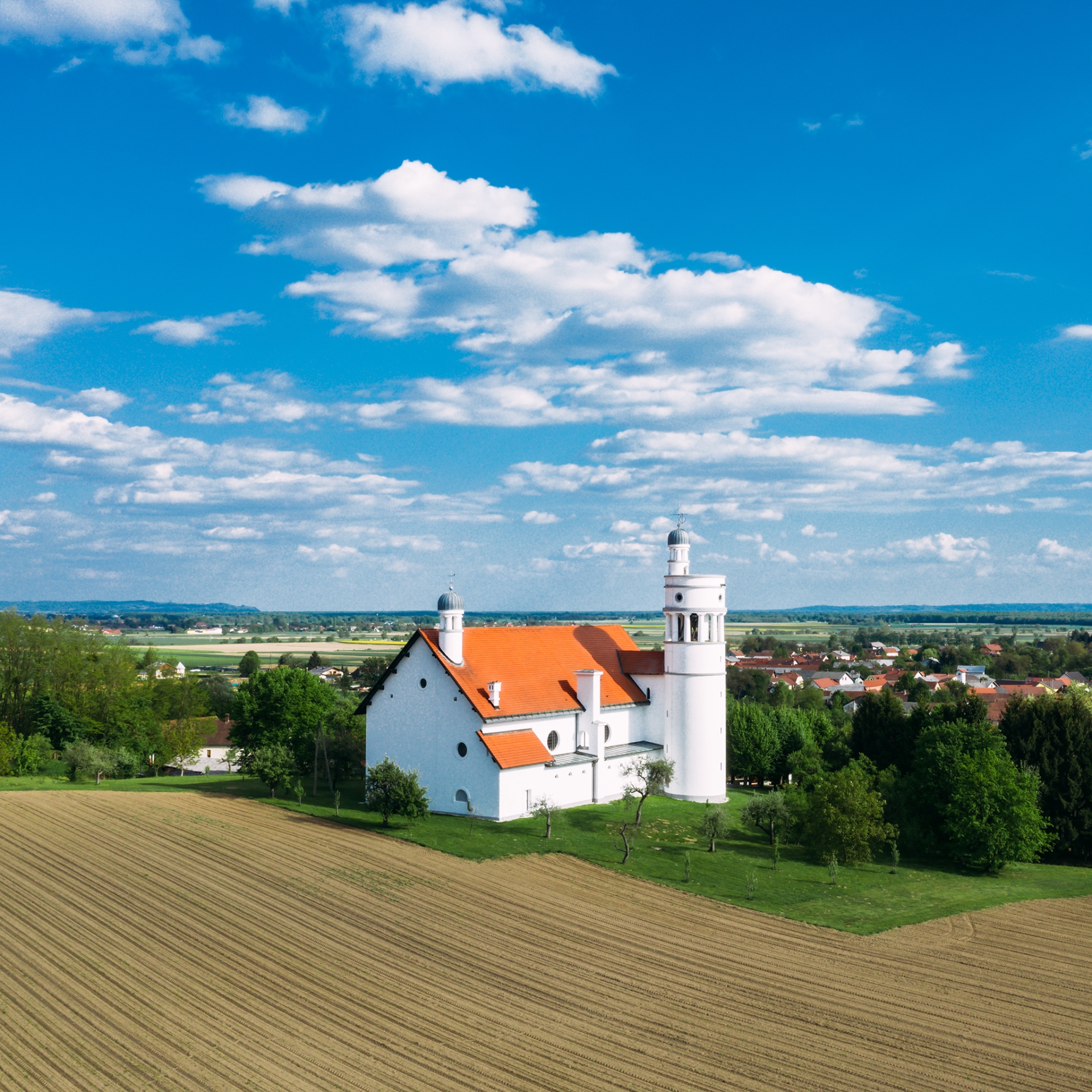
One of Pomurje’s Most Intriguing Churches Is Right Here!
While Slovenia certainly has no shortage of picturesque churches of every style and size, trust us when we say you have never seen anything quite like the Parish Church of the Ascension of the Lord in Bogojina. Designed by the master architect Jože Plečnik, experts rank it among the most fascinating 20th-century sacred buildings in Europe. It commands attention from afar with its imposing cylindrical bell tower, which even features an observation platform at the top.
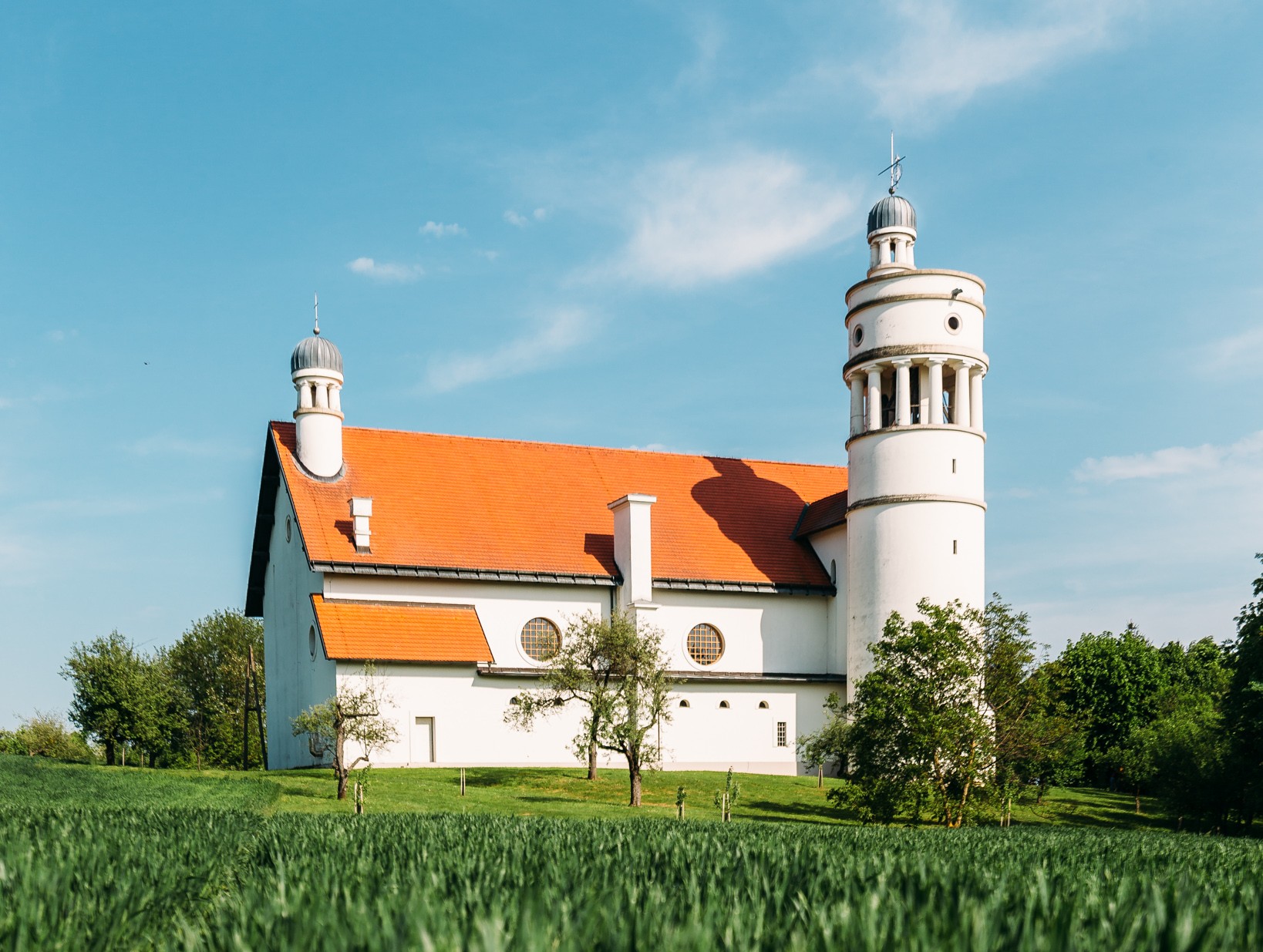
The "White Dove," as locals affectionately call the church, does not only stand out on the outside; its interior is a true feast for the eyes. Plečnik masterfully blended his modern architectural vision with traditional regional craft, reflected in the striking stone columns and a wooden, flat-beamed ceiling. The ceiling is another of the church's many remarkable features, crafted from round wooden logs decorated with handmade pieces by local Prekmurje potters.
Up for a Meeting with a Pomurje Mummy?
No, your eyes are not playing tricks on you. Pomurje actually boasts its very own mummy and you can find it right in the heart of the charming vineyard hills above Lendava. Perched there like a silent guardian watching over the town stands the Chapel of the Holy Trinity. And it is no coincidence that it stands on this exact spot…
This location once served as a military outpost that successfully defended Lendava against Ottoman raids during the 16th and 17th centuries. Thanks to its strategic position, the invaders were never able to conquer it, and out of deep gratitude, the locals built a chapel atop the hill. Resting inside is the mummified body of Mihael Hadik, a military commander who etched his name into local history as one of the greatest heroes in the battles against the Ottoman army.
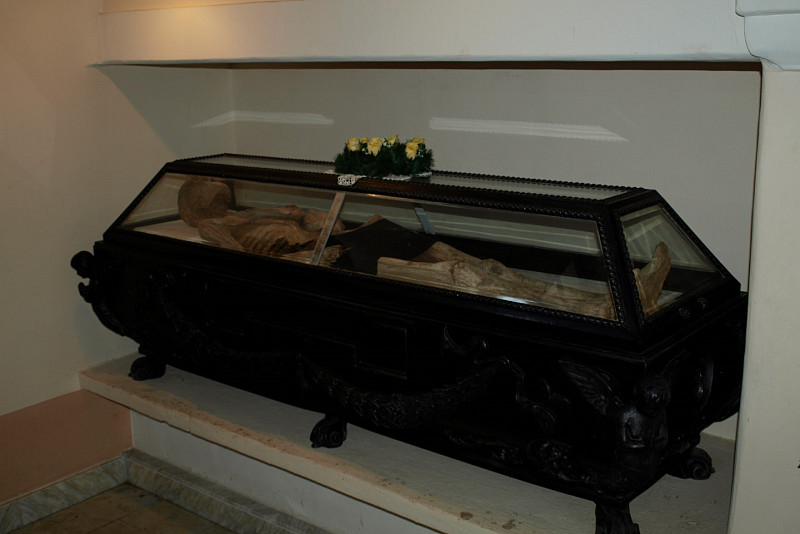
How he died remains a mystery to this day, but we do know how a hero turned into a mummy. Thanks to the natural airflow within the crypt beneath the chapel and the limestone soil, his body was naturally mummified over time.
A Castle with Unique Energy
Grad Castle in Goričko is not only the largest feudal castle complex in Slovenia, but it is also completely unique from an architectural standpoint. Even its inner courtyard will catch you off guard, with its western section sitting higher than the eastern side due to the shape of the castle hill. And if you feel a wave of warmth or a gentle tingling sensation while standing here, it is no coincidence. The castle courtyard is rich in bioenergetic points believed to exert a soothing effect on the body and even help promote healing.
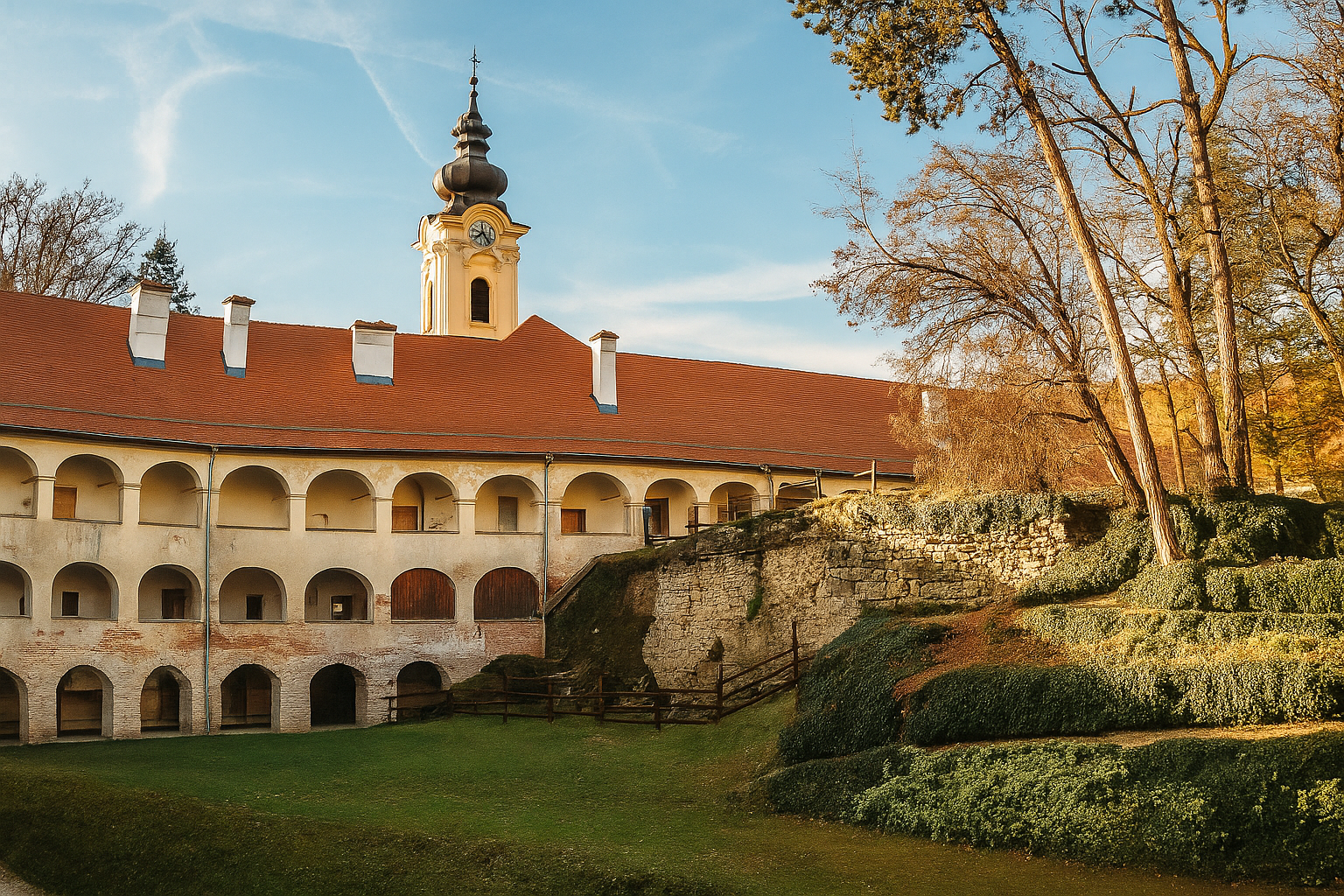
And here is a real treat for architecture enthusiasts: despite its overall Baroque layout, the castle reveals design elements spanning various eras, from Gothic to Romanticism. It serves as a genuine treasure trove of Goričko’s cultural and natural heritage. Here, you can tour workshops dedicated to nearly forgotten trades, ranging from blacksmithing to lesser-known traditional crafts like ropemaking.
What, Pomurje Has An Island?!
Everyone knows the iconic island in the middle of Lake Bled, but the Island of Love on the Mura River is our very own hidden gem. Legend has it that Countess Maria Zichy of Beltinci discovered her true love right within these pristine woodlands.
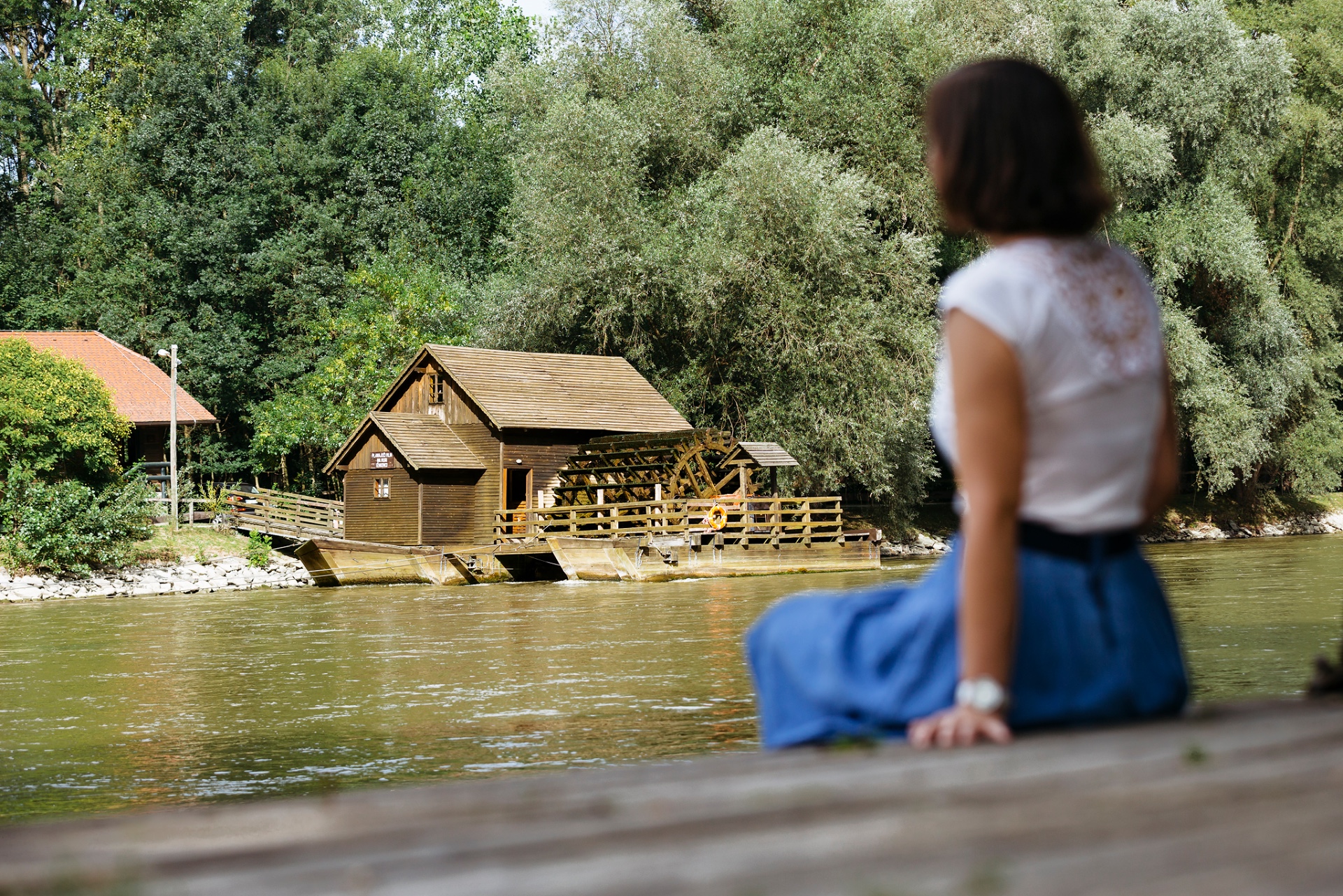
Even if you choose not to follow in the countess's footsteps in search of romance, the island is well worth a visit for at least two extraordinary features. The first is the floating watermill on the Mura, one of the few surviving monuments honoring the region’s rich milling tradition.
Equally unique is the Büjraštvo Museum, dedicated to a very special group of historic workers known as büjraši. By manually reinforcing the banks of the Mura River, they prevented devastating floods and safeguarded the surrounding villages. Pay a visit to discover the tools and techniques they used to tackle this challenging mission!
Houses That Almost Went Extinct
Once upon a time, the Pannonian landscape was dotted with picturesque timber-framed cottages known as cimprače. These modest village homes stand as a true symbol of the ingenuity of past generations, who built comfortable dwellings under humble conditions using only locally available materials: wood, straw, and clay.
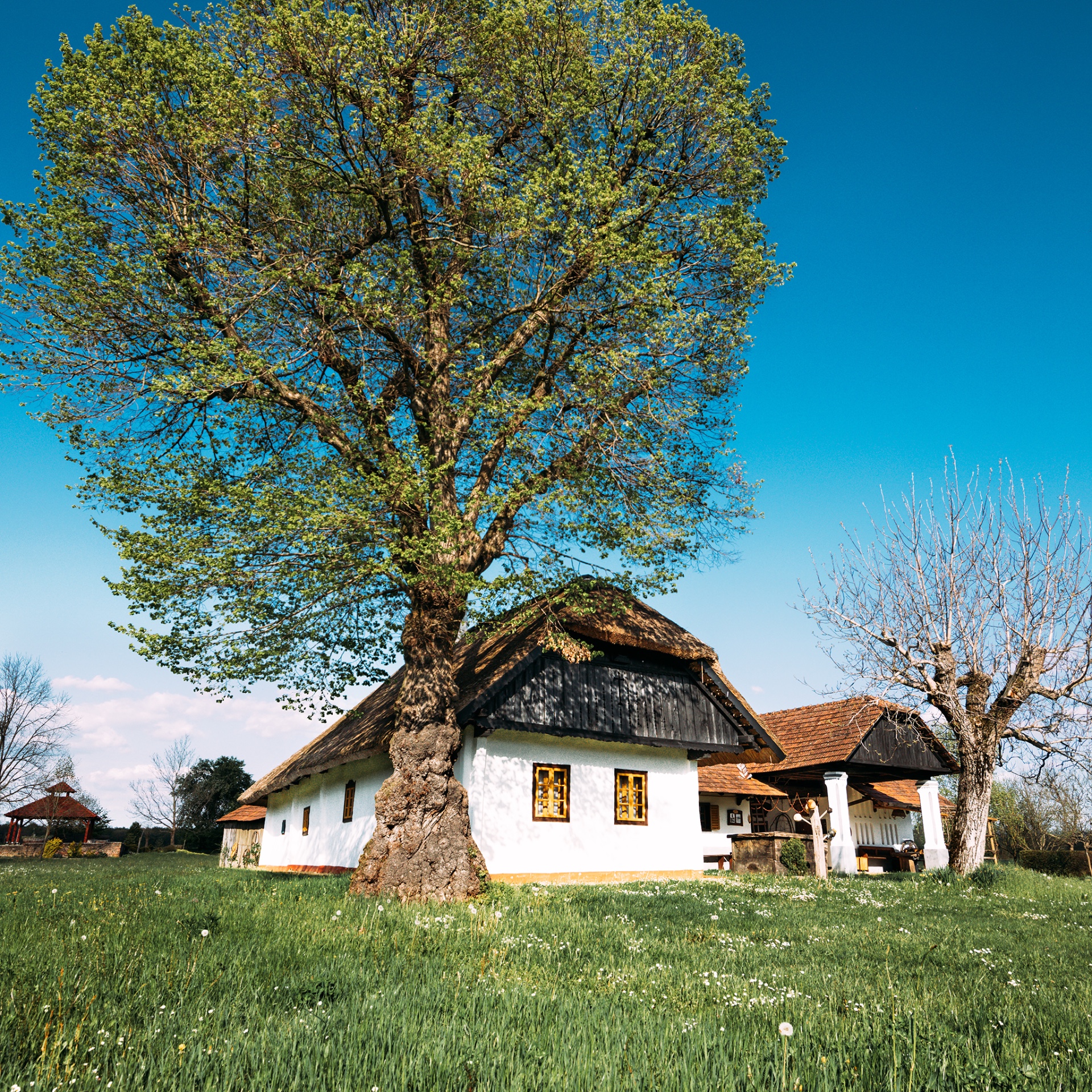
Nowadays, preserved or restored traditional homes can only be admired in a handful of places across the Pannonian world. In Pomurje, their heritage is brought back to life at the Pottery Village or Filovci Open-Air Museum, which proudly features two reconstructed cimprače. The first houses a former pottery workshop displaying the works of Filovci potters, while the second houses one of the rare remaining operational black kitchens (črna kuhinja).
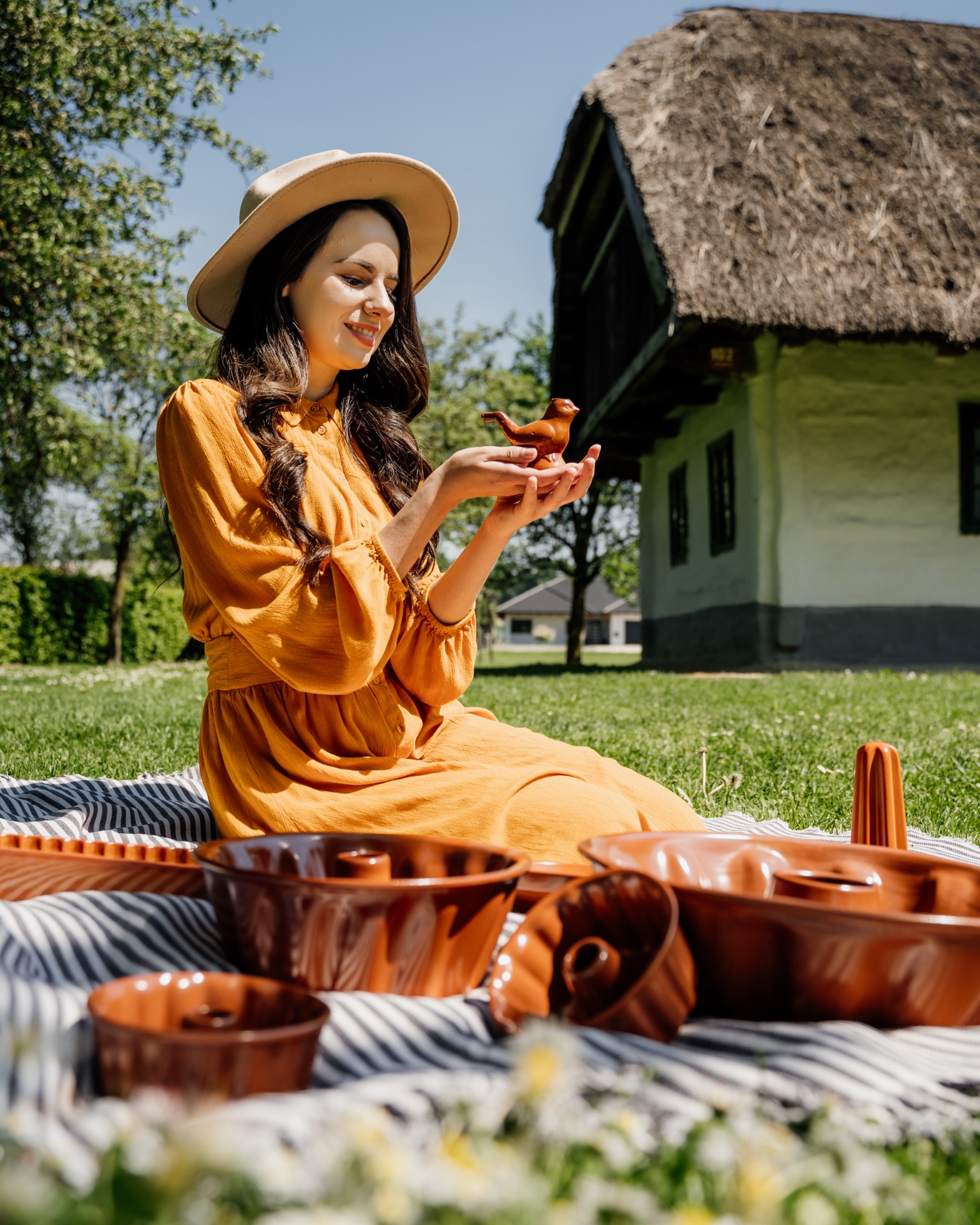
Filovci thus remains one of the last places in the region where you can not only admire centuries-old architecture, but also experience one of the oldest traditional crafts of the area firsthand: pottery.
The Last Remaining Ice House
Beltinci Castle is the perfect destination for lovers of historical curiosities. Deep beneath the structure lie underground tunnels straight out of an adventure movie, while above ground, visitors are captivated by two unique exhibitions. Here, you can learn about the history of healthcare in the region, and in the castle park, you can explore a fascinating collection of replica vintage bicycles.
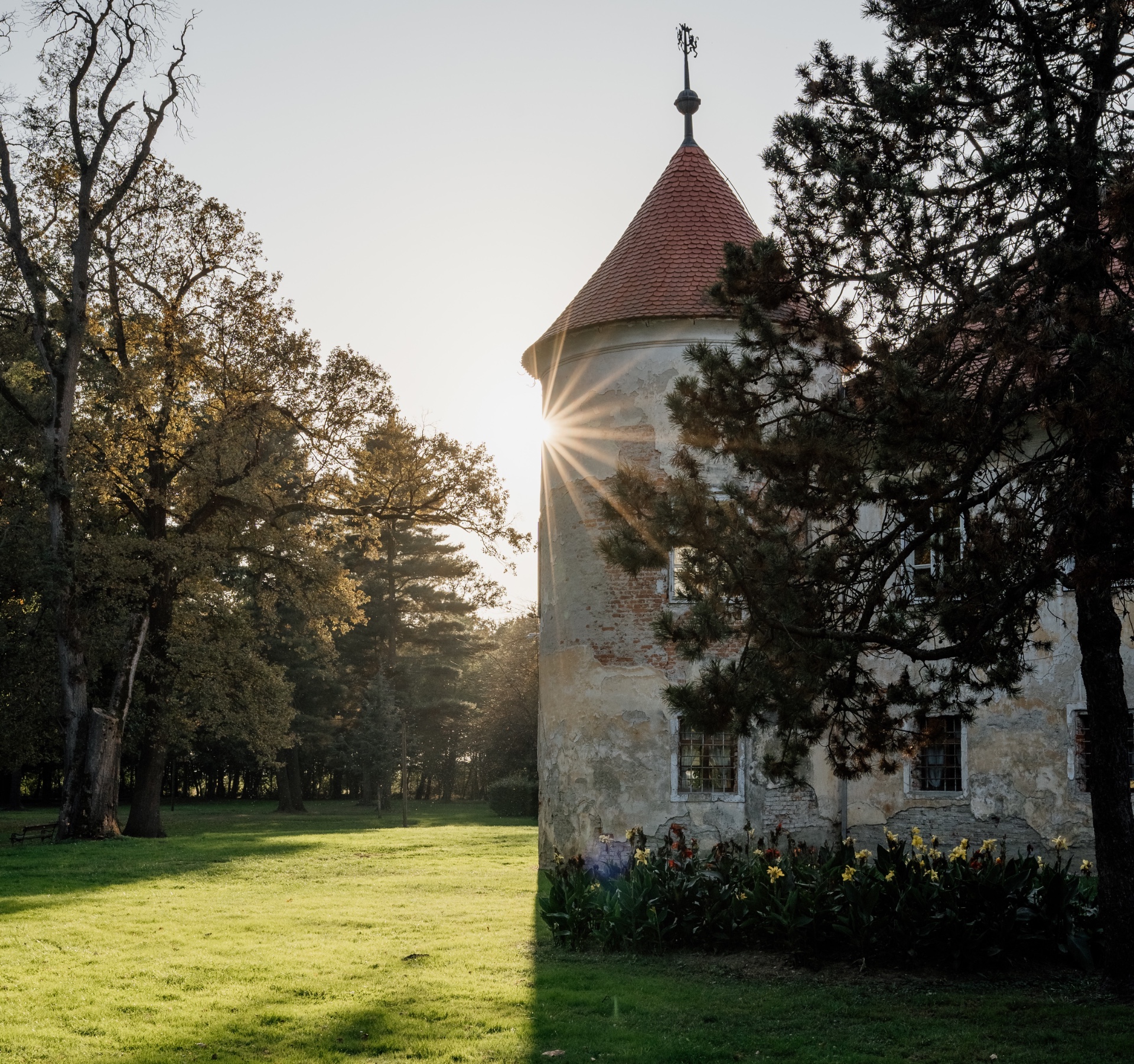
However, the most historically remarkable landmark sits just a stone’s throw from the castle itself, within the park grounds. This is the domed castle ice house (grajska ledenica), where food and drinks were once naturally chilled. We take immense pride in it, as it is the last preserved structure of its kind in all of Central Europe. Astonishing, isn't it?
Frequently Asked Questions
1. Is Pomurje worth visiting for its cultural highlights?
Undoubtedly. Pomurje is home to a wealth of cultural attractions that are hard to find anywhere else in Europe. Here, you can explore one of Europe’s most fascinating churches, the only surviving ice house in Central Europe, and museums featuring one-of-a-kind exhibitions—from healthcare history to nearly forgotten traditional crafts. Alongside remarkable castles and unique museum collections, a real-life mummy awaits you!
2. Where in Pomurje can you see a real mummy?
The mummy can be viewed inside the Chapel of the Holy Trinity above Lendava. It is the mummified body of Mihael Hadik, a legendary military commander who heroically defended Lendava against Ottoman invasions.
3. What are the most interesting exhibitions in Pomurje?
Among the most compelling exhibitions in this part of Slovenia and Europe are the traditional crafts exhibition at Grad Castle, the History of Healthcare in Pomurje exhibition at Beltinci Castle, and the exhibition dedicated to the büjraši on the Island of Love.


